
 Academia Sinica
 Research Brochure
 ASIAA Login

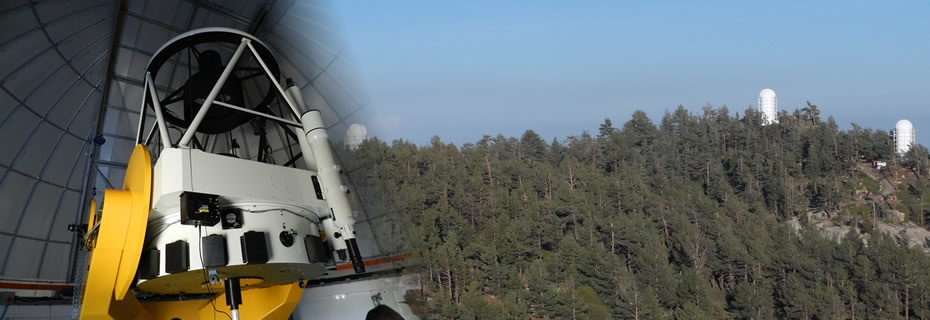




-
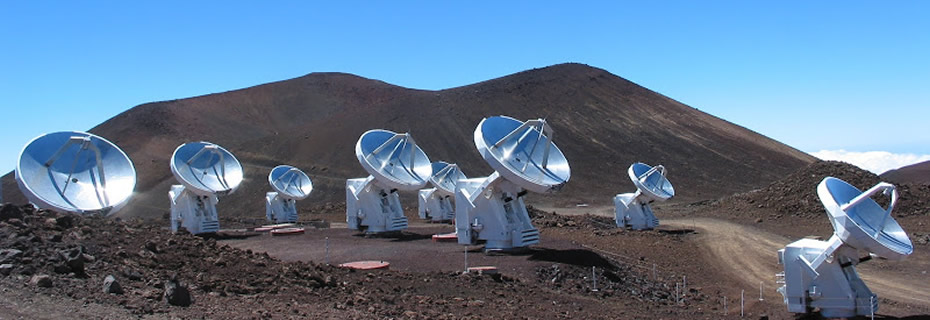
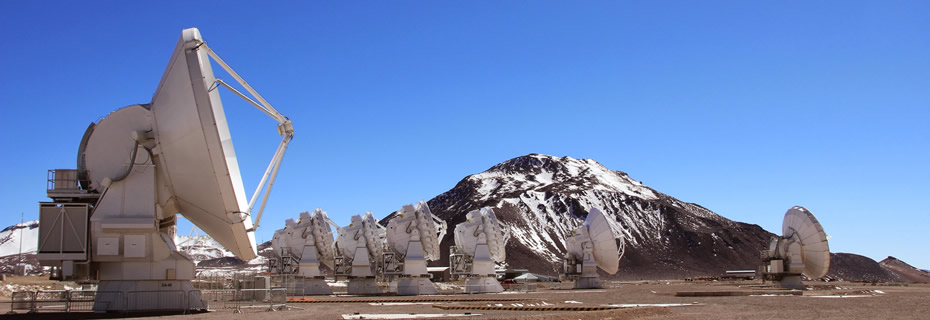
 SMA
Submillimeter Array
SMA
Submillimeter Array
-
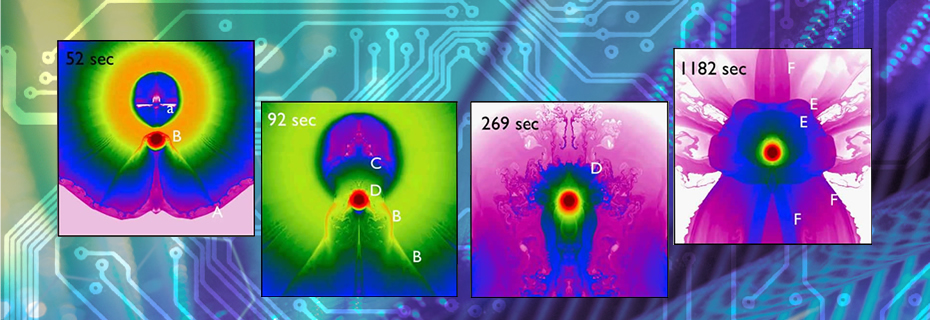
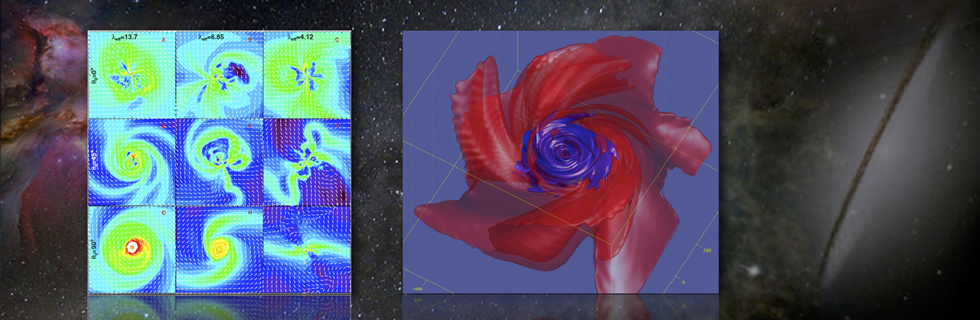
 CompAS
Computational Astrophysics
CompAS
Computational Astrophysics
-
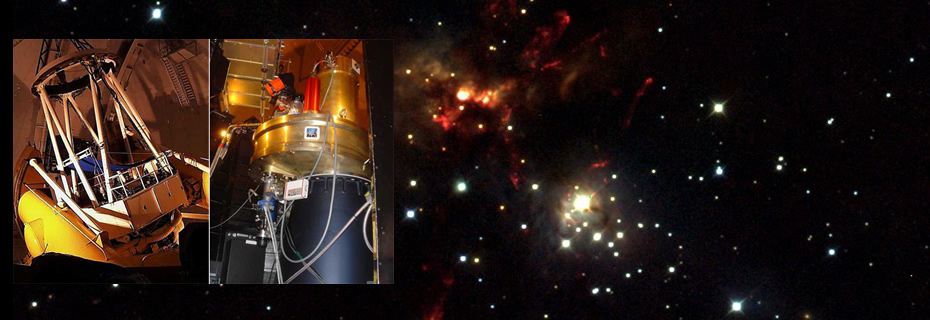
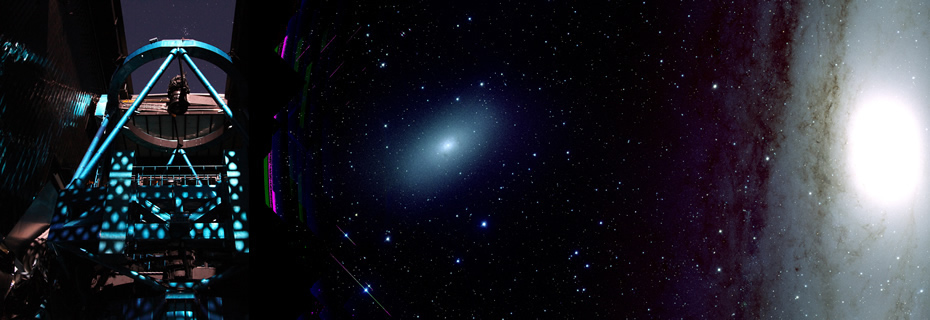
 CFHT
Canada-France-Hawaii Telescope
CFHT
Canada-France-Hawaii Telescope
-
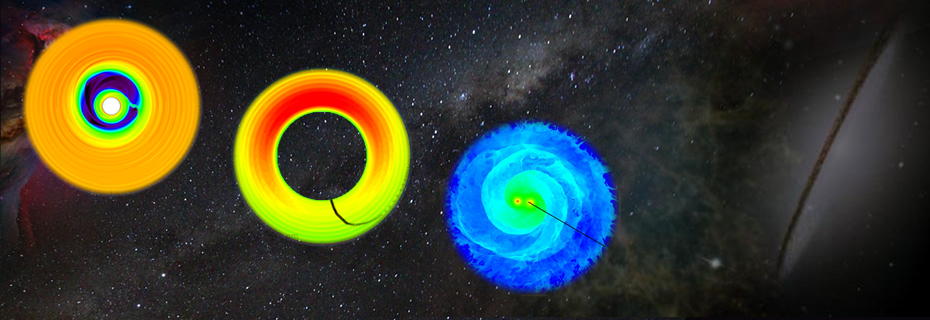
 Theory
Theoretical Astrophysics
Theory
Theoretical Astrophysics
-
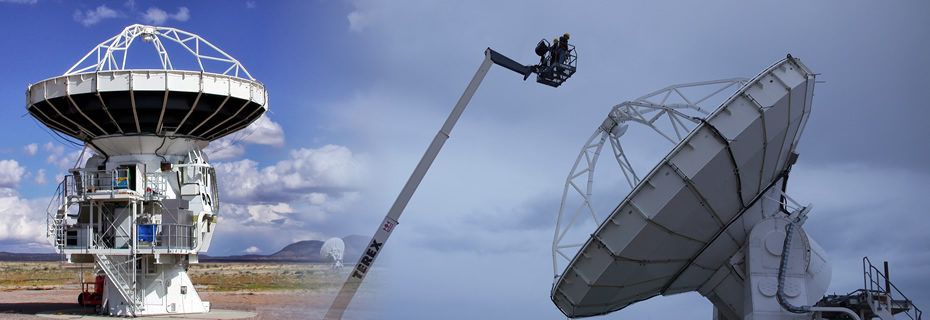
 ALMA
Atacama Large Millimeter/ submillimeter Array
ALMA
Atacama Large Millimeter/ submillimeter Array
-
 CHARMS
Coordinated Hydrodynamic and Astrophysical Research, Modeling, and Synthesis
CHARMS
Coordinated Hydrodynamic and Astrophysical Research, Modeling, and Synthesis
-
 Subaru
 Telescope
Subaru
Subaru Telescope
-
 GLT/VLBI
Greenland Telescope and Submillimeter VLBI
GLT/VLBI
Greenland Telescope and Submillimeter VLBI
-
 TAOS II
Transneptunian Automated Occultation Survey
TAOS II
Transneptunian Automated Occultation Survey
![[previous]](../_img/_icon4gallery/prev.gif)
![[next]](../_img/_icon4gallery/next.gif)

TEL: 886-2-3365-2200 FAX: 886-2-2367-7849
General: asiaa asiaa.sinica.edu.tw Media Request: epoasiaa.sinica.edu.tw
11F of AS/NTU Astronomy-Mathematics Building, No.1, Sec. 4, Roosevelt Rd, Taipei 10617, Taiwan, R.O.C.
General: asiaa
asiaa.sinica.edu.tw Media Request: epoasiaa.sinica.edu.tw 11F of AS/NTU Astronomy-Mathematics Building, No.1, Sec. 4, Roosevelt Rd, Taipei 10617, Taiwan, R.O.C.
Best viewed at 1024x768 Resolution and up
©2015, Institute of Astronomy and Astrophysics, Academia Sinica, All Rights Reserved.